
Walking into a gym for the first time can feel overwhelming. Rows of machines, racks of weights, dozens of people following different workout routines — it doesn't take long to realize that fitness is more complicated than simply lifting heavy objects. Even experienced lifters eventually reach a point where progress slows, motivation fades, or injuries begin to appear. That's often when the question comes up: Should I hire a personal trainer?
The answer isn't as simple as yes or no. A great coach can help you build muscle faster, improve your technique, prevent injuries, and create a personalized plan that fits your goals. On the other hand, hiring the wrong trainer can cost hundreds or even thousands of dollars while delivering little more than generic workouts copied from the internet.
The fitness industry has grown dramatically over the past decade. Today, you can choose between local gym trainers, online coaches, bodybuilding specialists, strength coaches, and even AI-powered fitness apps. While having more options is beneficial, it also makes choosing the right coach more difficult than ever.

This guide will help you understand exactly what to look for in a personal trainer, what warning signs to avoid, and how to find someone who can genuinely help you achieve lasting results.
Why Choosing the Right Trainer Matters
Many people believe that a personal trainer's job is simply to count repetitions and tell clients which exercises to perform. In reality, professional coaching goes far beyond writing a workout plan.
A qualified trainer analyzes your movement patterns, identifies muscular imbalances, adjusts your program based on recovery, and continually monitors your progress. Good coaches understand anatomy, exercise physiology, nutrition fundamentals, and long-term progression — not just individual workouts.
Perhaps even more importantly, a trainer provides accountability. It's easy to skip a workout when no one is expecting you. It's much harder to cancel when someone has prepared your training session and is waiting for you at the gym.
Research has consistently shown that people are more likely to remain physically active when they receive structured coaching and regular feedback. Consistency not perfection — is ultimately what drives long-term progress.
Define Your Fitness Goals Before Hiring Anyone
One of the biggest mistakes people make is searching for a trainer before clearly defining their own objectives.
The best coach for competitive powerlifting may not be the best choice for fat loss. Likewise, a bodybuilding specialist may not have extensive experience preparing marathon runners.
Before contacting any trainer, ask yourself:
- Do I want to lose body fat?
- Am I trying to build muscle?
- Is increasing strength my primary goal?
- Am I preparing for a bodybuilding competition?
- Do I simply want to improve my overall health?
The clearer your goal, the easier it becomes to find someone whose expertise matches your needs. Let's look at some key examples:
Fat Loss
Clients focused on weight reduction should look for coaches experienced in nutrition coaching, sustainable calorie management, habit formation, and progressive exercise programming.
Crash diets and endless cardio sessions rarely produce lasting results.
Muscle Growth
Building muscle requires far more than lifting heavy weights. An experienced bodybuilding coach understands:
- Progressive overload
- Training volume
- Recovery management
- Exercise selection
- Nutrition timing
- Long-term programming
Muscle growth is a slow biological process, and effective coaching reflects that reality rather than promising unrealistic transformations.
Strength Development
If your goal is to increase your squat, bench press, or deadlift, you'll benefit most from a strength coach with experience in powerlifting or athletic performance.
These coaches typically focus on:
- Technique refinement
- Periodized programming
- Recovery cycles
- Mobility work
- Fatigue management
Strength isn't built by training harder every day — it's built by training smarter.
General Health and Fitness
Not everyone wants to become a bodybuilder. Many clients simply want to:
- Feel healthier
- Improve posture
- Increase energy
- Reduce back pain
- Stay active as they age
In these cases, a trainer with strong communication skills and experience working with everyday clients may be a better choice than someone who exclusively prepares competitive athletes.
Interesting fact: Even legendary bodybuilders like Ronnie Coleman, Jay Cutler, and Chris Bumstead have relied on trusted coaches during different stages of their careers. At the highest levels of bodybuilding, success isn't about knowing everything — it's about having someone objective enough to notice the small details that can make the biggest difference.
Trainer Qualifications
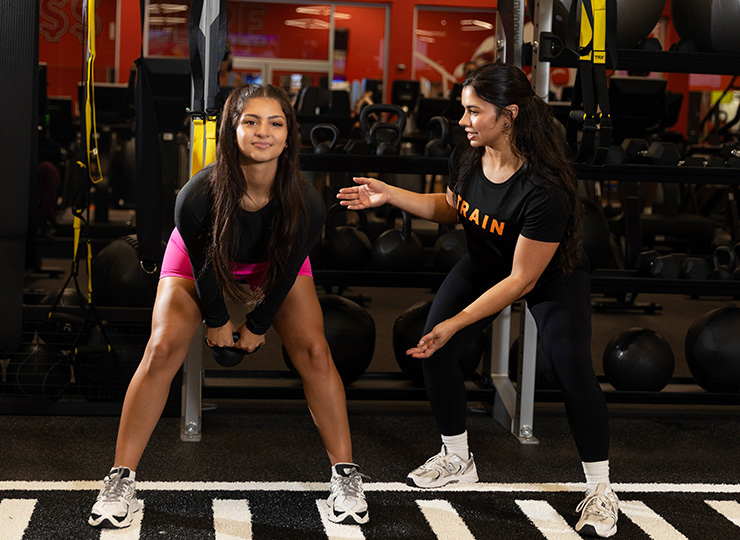
In today's world, anyone with an impressive physique can call themselves a fitness trainer, especially on social media. However, an attractive appearance is no guarantee that someone can provide qualified training.
Some outstanding trainers have never competed professionally, while some elite athletes struggle to coach others, as coaching requires a completely different skill set.
It's best to look for trainers who are licensed or certified. While certifications don't guarantee expert level, they demonstrate that the trainer has invested time in studying exercise science and professional standards.
Organizations that issue such certifications or licenses require trainers to study anatomy, biomechanics, training program development, injury prevention, and client safety.
However, certifications should be viewed as a starting point, not a definitive indicator of competence.
Real Coaching Experience
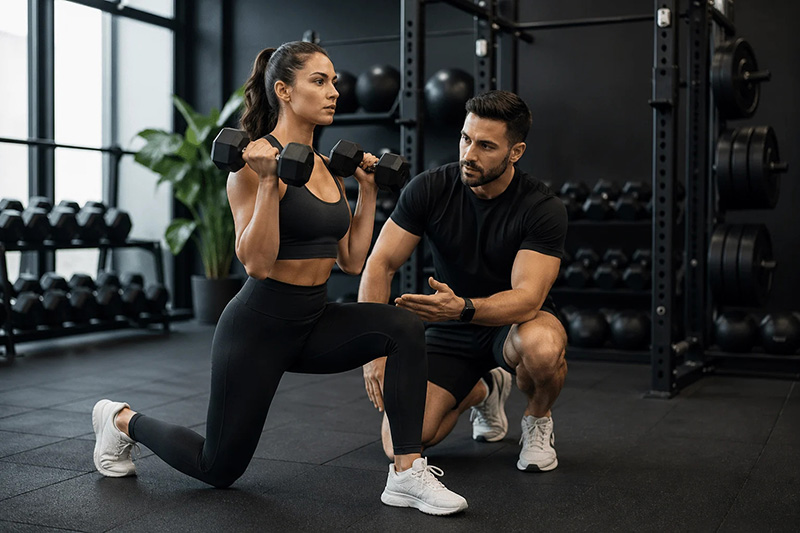
Experience often teaches lessons that textbooks cannot. A coach who has successfully worked with dozens of clients facing similar challenges is often better prepared than one who recently received a certificate.
To better understand the type of coach you need, ask them questions like these:
- How many years have you been coaching?
- What types of clients do you usually work with?
- Have you helped clients with goals similar to mine?
- Can you show before-and-after transformations?
- Do you have testimonials or references?
Based on the answers to these questions, you'll gain even more insight into whether this coach is worth trusting. Another crucial factor when choosing a coach is communication.
The best coaches don't just tell clients what to do — they explain why it's best to do it that way. When you better understand their program, you'll better understand the desired results. Excellent coaches are patient, accessible, and willing to answer questions without making clients feel uncomfortable.
Red Flags You Should Never Ignore
Unfortunately, the fitness industry is full of misinformation and underqualified coaches. Before you spend your hard-earned money, watch out for these common red flags.
They Promise Unrealistic Results
Here's the truth: real fitness progress takes time. Be skeptical of claims like:
- "Lose 30 pounds in a month."
- "Gain 20 pounds of muscle in just 8 weeks."
- "Get six-pack abs in 30 days."
Coaches who promise dramatic transformations overnight are usually selling hype—not science.
They Give Every Client the Same Program
No two people have the same goals, injury history, schedule, recovery ability, or training experience.
If every client gets the exact same workout plan regardless of their individual needs, you're paying for convenience — not real coaching. A personal training program should actually be personal.
They Ignore Recovery
A lot of inexperienced coaches believe that more training always equals better results. Experienced coaches know that's simply not true. Your muscles grow while you recover—not while you're lifting.
A well-designed training program should always include:
- Rest days
- Sleep recommendations
- Deload weeks
- Recovery tracking
- Fatigue management
Ignoring recovery is one of the fastest ways to hit a plateau or end up injured. Recovery deserves just as much attention as your workouts in the gym.
Interesting fact: Many Olympic athletes are coached by professionals who have never competed at the Olympic level themselves. Elite coaching depends far more on understanding biomechanics, programming, recovery, communication, and problem-solving than on having the most impressive physique or athletic résumé.

Online Coach vs. In-Person Trainer: Which Is Better?
One of the biggest changes in the fitness industry over the past decade has been the rise of online coaching. What once required meeting a trainer at a local gym can now be done through video calls, training apps, and messaging platforms.
So, which option is better?
There isn't a single right answer — it really depends. The best approach comes down to your current fitness level, body type, training experience, and, most importantly, the goals you're trying to achieve. What works great for one person may not be the right fit for someone else, which is why there's no one-size-fits-all answer.
Benefits of a Personal Trainer
Working face-to-face with a trainer provides instant feedback that simply can't be replicated through a screen.
A qualified trainer can instantly adjust the depth of your squats, change your grip on the bench press, or spot subtle movement errors that could ultimately lead to injury.
For beginners, this real-time feedback is incredibly valuable, as proper movement patterns are much easier to learn than to relearn later.
An in-person trainer also provides motivation. Knowing that someone is waiting for you at the gym often means you're much less likely to miss workouts.
Best for:
- Complete beginners
- People returning to exercise after an injury
- Clients struggling with motivation
- People mastering complex exercises
- Anyone who prefers direct interaction
Benefits of an Online Coach
Online coaching has become increasingly popular and for good reason.Experienced coaches can now monitor training logs, review exercise videos, update workout plans, and provide nutrition guidance regardless of where their clients live.
This means you're no longer limited to the trainers available in your local area. You can hire a bodybuilding coach from another state or even another country if their expertise aligns with your goals.
Online coaching is often more affordable than in-person sessions and offers greater scheduling flexibility.
Best for:
- Intermediate and advanced lifters
- Frequent travelers
- People with irregular work schedules
- Individuals comfortable training independently
- Clients looking for long-term programming
Which One Should You Choose?
As stated before: there is no right answer. Everyone chooses what works best and is most convenient for them. If you've never touched a barbell before, spending several weeks with an experienced in-person coach can dramatically improve your technique and confidence.
However, if you've already built a solid training foundation, an online coach may provide everything you need at a lower cost.
Many successful athletes actually combine both approaches — working with an online coach for programming while occasionally scheduling in-person sessions to refine technique.
The key isn't choosing the newest or most expensive option. It's choosing the format that best supports your consistency.
Questions You Should Ask Before Hiring a Trainer
Hiring a personal trainer shouldn't be an emotional decision — it should be a smart investment. Like any investment, you want the best possible return. That's why it's important to have a real conversation with a coach before committing. Don't be afraid to interview your trainer.
A true professional will welcome thoughtful questions because they show you're serious about your fitness goals and long-term progress. In fact, coaches often enjoy working with clients who are engaged and genuinely invested in improving.
Let's go over the most important questions you should ask before hiring a personal trainer.
What experience do you have with clients like me?
Someone who specializes in bodybuilding competitions may not be the ideal coach for a 55-year-old client recovering from knee surgery. Look for relevant experience rather than generic experience.
How do you create training programs?
Avoid coaches who hand every client the same workout. Individualization is one of the biggest differences between coaching and generic fitness plans found online.
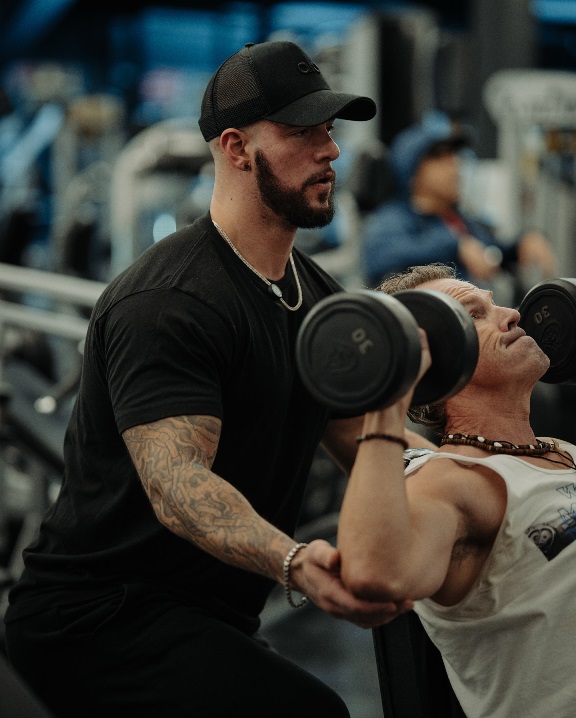
Ask whether programs are customized based on:
- Training experience
- Recovery ability
- Lifestyle
- Medical history
- Available equipment
- Personal goals
How do you track progress?
Weight on the scale tells only part of the story. Progress should be evaluated using multiple indicators rather than relying solely on body weight.
Professional coaches typically monitor several factors, including:
- Strength improvements
- Body measurements
- Progress photos
- Training performance
- Recovery quality
- Energy levels
How will we communicate?
Some coaches respond daily. Others check in once a week.
Neither approach is inherently better, but expectations should be clear before you start working together.
Can AI Replace a Personal Trainer?
Artificial intelligence is changing the fitness industry in a big way. More and more athletes and coaches are using AI as part of their training process.
Today's AI-powered apps can build workout programs, estimate your calorie needs, analyze your exercise technique from video, and even recommend recovery strategies.
But can AI replace a human coach?
That's a tough question. The short answer is: not completely. AI is incredibly good at processing data, spotting patterns, and providing evidence-based recommendations. But it still can't replace human judgment and real-world coaching experience.
A great coach can pick up on subtle changes in your motivation, stress levels, sleep quality, confidence, and movement mechanics—factors that often determine whether a training program succeeds or fails.
Instead of thinking of AI and personal trainers as competitors, think of them as teammates. Many of the best coaches already use AI and other technology to improve their programming while continuing to provide the accountability, experience, and personal guidance that no algorithm can truly replace.
Expert Tip
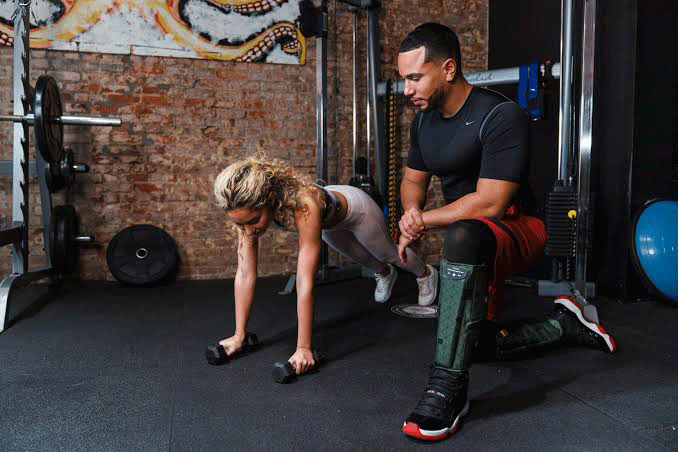
Don't hire a trainer simply because they're in exceptional shape. A great physique demonstrates discipline and genetics, but it doesn't automatically prove coaching ability.
The best coaches ask thoughtful questions, explain their decisions, adapt programs when life gets in the way, and genuinely care about helping clients improve. Results produced in dozens of clients are a much stronger indicator of coaching quality than six-pack abs or a large social media following.
Expert Opinion
Choosing the right personal trainer isn't about finding someone who trains the hardest, it's about finding someone who understands you. The most successful coaching relationships are built on communication, trust, realistic expectations, and consistent feedback. A knowledgeable coach doesn't just prescribe exercises; they teach you how your body responds to training, help you avoid costly mistakes, and adjust your plan as your goals evolve.
Whether you're trying to lose weight, gain muscle, increase strength, or prepare for competition, the right trainer should make you progressively more confident and independent, not permanently dependent on their guidance.
Remember that the goal of coaching isn't simply better workouts. It's building habits and knowledge that continue delivering results long after the coaching relationship ends.
————————————————————————————————————————
Thanks for reading, dear athletes!
As for the price of anabolic steroids, they vary on average and depend on the manufacturer. But with us, you can buy high-quality medications and supplements at the best prices with fast delivery throughout the US and Europe. Visit our official website, AnabolShop.org, and believe me, it’s worth it!
Subscribe to our news and article channel on Telegram!
- News - https://t.me/anabolshops
- Article channel - https://t.me/+sS0shaQLnmMwYTEy
We hope you enjoyed the article and thank you for reading.
Good anabolism to all athletes!

Author: Alex Morozov
Alex Morozov is a strength training analyst and fitness culture researcher with over 12 years of experience in powerlifting, bodybuilding methodology, and performance optimization. He has worked with competitive athletes, studied training physiology, and analyzed long-term health outcomes related to strength sports.
Alex focuses on evidence-based training, athlete longevity, and realistic performance expectations. His work explores the psychological and cultural factors shaping modern fitness trends, including social media influence, enhancement debates, and recovery science.