
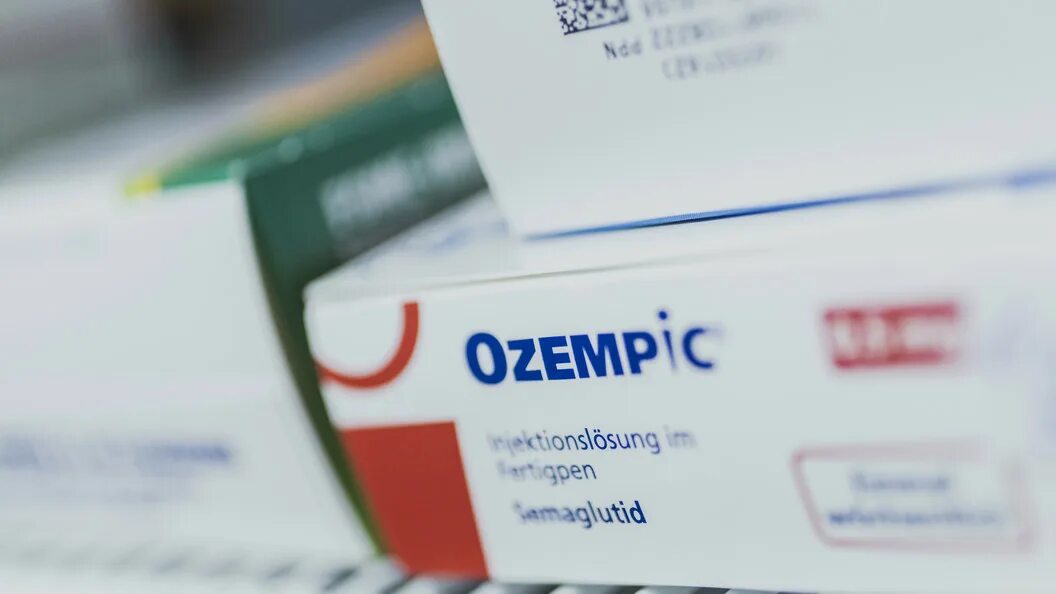
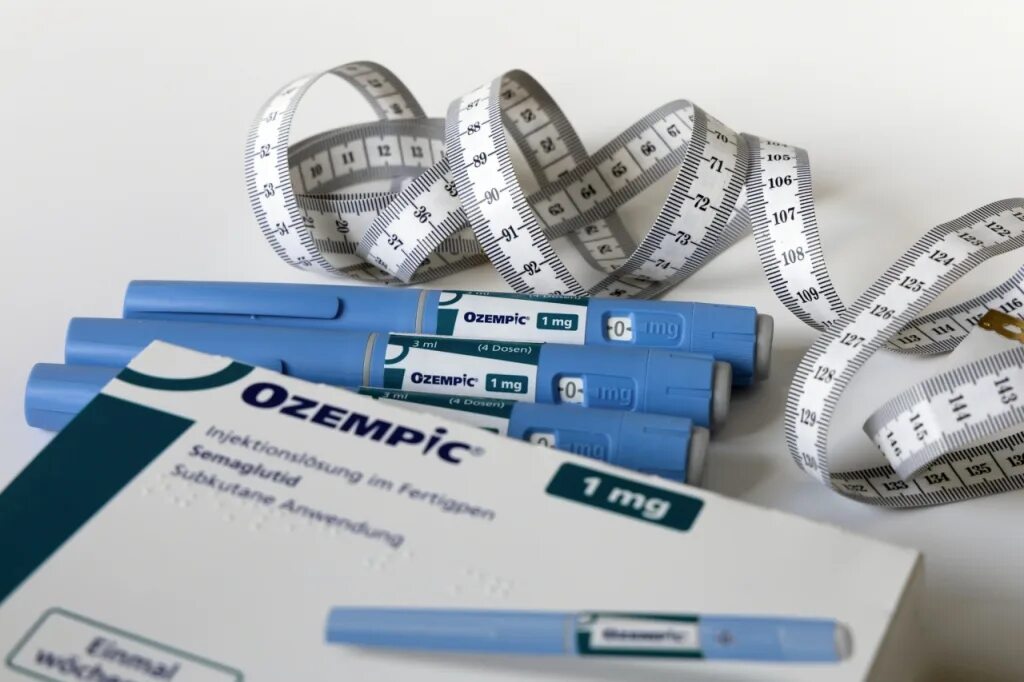
Semaglutide, originally intended for type 2 diabetes, has quickly become a popular weight loss drug and is actively discussed in medicine and among patients. In many countries, as well as around the world, it is sold under the names Ozempic, Wegovy, Semavic, Quincenta, Velgia. Let’s figure out what this drug is, how it works, and what results and risks are associated with its use.
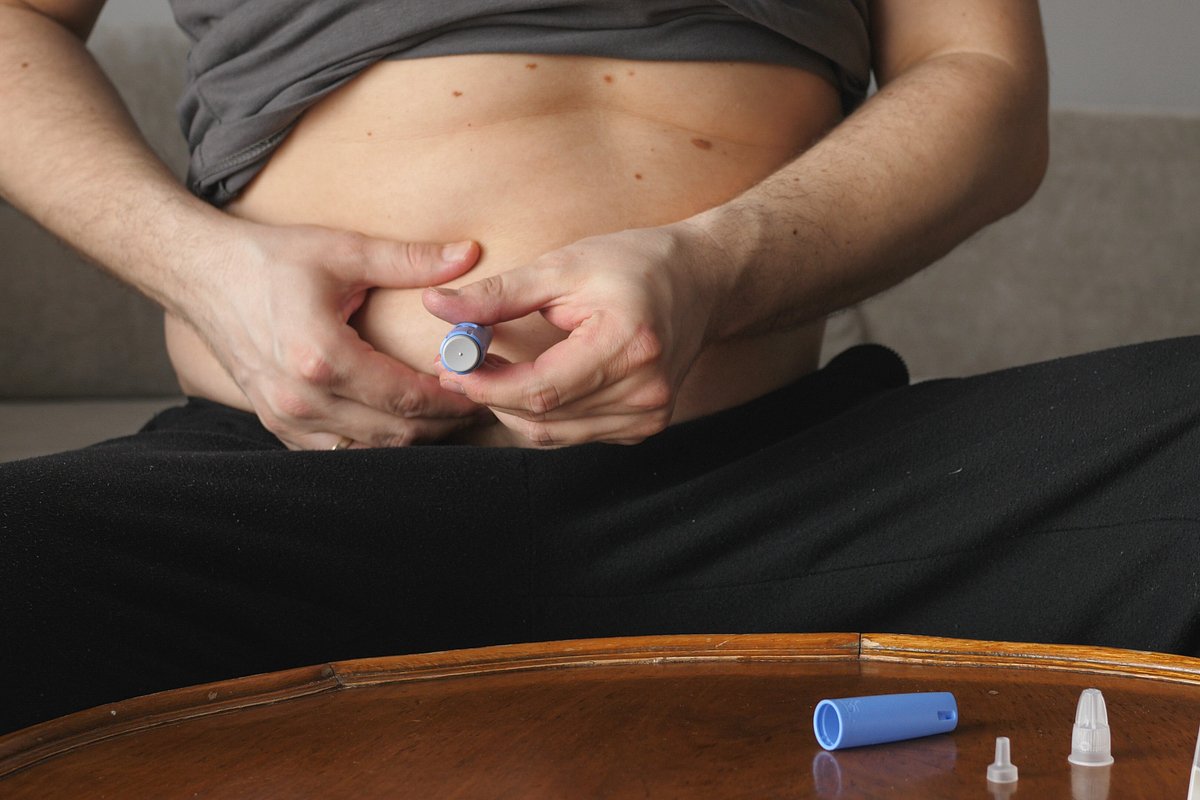
Introduction:
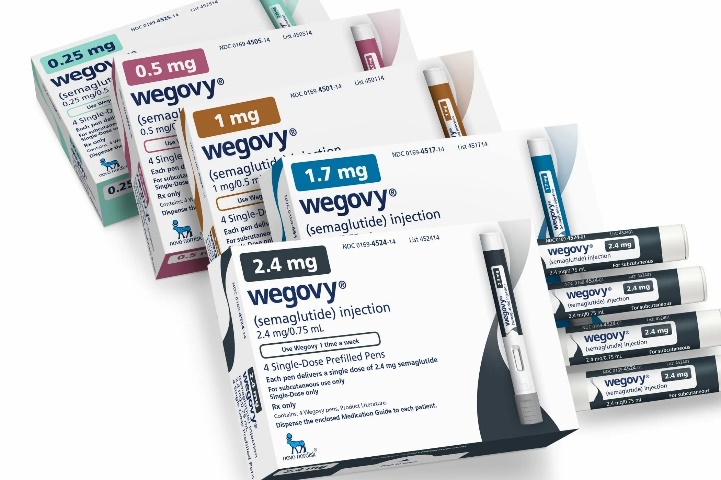 Wegovy Ozempic 0.25mg / 0.75ml
The problem of overweight and obesity (BMI ≥25 kg/m², ≥30 kg/m² respectively1) is global. Obesity increases the risk of hypertension, type 2 diabetes, dyslipidemia, stroke and some types of cancer. Cardiovascular diseases are the main cause of death in obesity.
In 2016, according to WHO, more than 1.9 billion adults were overweight, over 650 million were obese (11% of men, 15% of women)2. It is predicted that by 2030, 60% of the world’s population will be overweight or obese. Interestingly fact, in CIS countries in 2016, 62% were overweight, 26.2% were obese.
The first step in treatment is lifestyle changes (diet, exercise). This reduces the risk of cardiovascular complications, but it is often difficult to maintain the achieved weight. If this is not enough, drug therapy for weight loss is added.
The weight loss market is the largest in the United States. The FDA has approved phentermine-topiramate, orlistat, naltrexone-bupropion, and liraglutide (GLP-1 RA). Lorcaserin has been withdrawn due to cancer risk. Semaglutide is a GLP-1 RA approved by the FDA in 2021.3
What is Semaglutid
Semaglutide is a synthetic analogue of the hormone GLP-1, which regulates blood sugar levels and appetite. By mimicking the action of GLP-1, the drug has the following effects:
- Regulates glucose. Stimulates insulin production and suppresses glucagon only when sugar is elevated, minimizing the risk of hypoglycemia.
- Controls appetite. It affects the brain, reducing hunger and, as a result, calorie consumption.
- Slows down digestion. Prolongs the feeling of satiety, promoting weight loss.
Ease of use - one injection per week. Efficiency has been clinically proven (STEP, SUSTAIN, PIONEER studies).
Important: It is very recommended to use it only as prescribed by a doctor. Before starting therapy, consultation and tests are recommended to exclude contraindications and consider individual characteristics.
The results are impressive:
- STEP program. 15-20% weight loss in 68 weeks (2.4 mg per week) with diet and physical activity in obese patients.
- 10-12% weight loss in overweight people (BMI 27-30).
- Improved metabolic parameters. decreased cholesterol, triglycerides and blood pressure.
- Possible reduction in depression and anxiety associated with improved quality of life.
Features of the Appointment
Semaglutide is not a universal solution for everyone who wants to lose weight. Its appointments are strictly regulated and is indicated only for certain categories of patients. First of all, this concerns people with type 2 diabetes who are unable to achieve target blood glucose levels when using other hypoglycemic drugs. In addition, Semaglutide can be prescribed to people with obesity (body mass index (BMI) ≥30 kg/m²) or overweight (BMI ≥27 kg/m²), but only if there are concomitant diseases such as arterial hypertension (high blood pressure), diabetes mellitus, dyslipidemia (lipid metabolism disorder).
However, there are also strict contraindications that exclude the possibility of using Semaglutide. These include: type 1 diabetes mellitus (insulin-dependent), pregnancy and breastfeeding, severe kidney or liver disease, and a history of pancreatitis (inflammation of the pancreas) or medullary thyroid cancer.
Because of the potential risks, before starting Semaglutide therapy, it is strongly recommended to undergo a comprehensive examination, including blood glucose tests, assessment of kidney, liver and thyroid function. It is also extremely important to consult a qualified doctor who will assess the general health condition, take into account all existing diseases and medications taken by the patient (including vitamins and dietary supplements), and determine whether Semaglutide is an appropriate and safe treatment option in this particular case. It is important to remember that even seemingly harmless vitamins or dietary supplements taken without medical supervision can have a negative effect on the body, not to mention such a serious drug as Semaglutide.
Despite the fact that Semaglutide has become a revolutionary solution for the fight against obesity and type 2 diabetes, providing millions of people around the world with the opportunity to improve their quality of life and improve their health, its use requires a serious and conscious approach. Only after a thorough assessment of all factors and confirmation by a doctor that this drug is suitable for your case, can you begin treatment.
Interesting Fact (Study) about Ozempic
The Peptide Innovation for Early Diabetes Treatment (PIONEER) program evaluated the efficacy of oral semaglutide (Rebelsas) for glycemic control and weight loss in type 2 diabetes (T2D) compared with other antidiabetic agents. Semaglutide is the only oral GLP-1RA; the others are administered subcutaneously. To improve absorption, oral semaglutide contains the absorption enhancer sodium N-(8-[2-hydroxybenzoyl]amino) caprylate. Due to low bioavailability, the tablets contain an increased dose. The 7 and 14 mg doses were more effective in reducing HbA1c than sitagliptin, and the 3 mg dose had no significant effect.
In the PIONEER studies, oral semaglutide demonstrated:4,5
- Greater reductions in HbA1c and body weight compared with placebo.
- Superiority over other oral agents: sitagliptin and empagliflozin (greater reductions in HbA1c and body weight).
- Superiority over dulaglutide and liraglutide (GLP-1 RAs).
- Improved glycemic control and weight loss when combined with metformin monotherapy.
Oral semaglutide was superior to dulaglutide and liraglutide in reducing weight, and also reduced waist circumference and BMI. A higher percentage of patients on oral semaglutide achieved weight loss of ≥5% and ≥10% compared with comparators.
The effect on body weight loss was greater and dose-dependent compared with liraglutide. The maximum weight loss was observed at 52 weeks, but significant reductions were noted after 26 weeks of use.
Ozempic Effects (Pros & Cons)
| № | Pros | Cons (Common side effects) |
| 1 | Ozempic helps control glucose levels effectively by lowering glycemia and improving glycosylated hemoglobin (HbA1c). | Nausea and vomiting - this is one of the most common effects, especially in the initial stages of treatment. |
| 2 | Many patients taking Ozempic report significant weight loss, which may be beneficial for people who are overweight or obese. | Diarrhea - some patients may experience diarrhea. Headache |
| 3 | Ozempic may help improve the function of insulin-producing cells, which helps control blood sugar levels more effectively. | Cons (Less common side effects) |
| 4 | Studies show that semaglutide use is associated with a reduced risk of cardiovascular events such as heart attack and stroke. | Vision problems - a slightly increased risk of vision problems in patients with diabetes. |
| 5 | The drug may help improve certain metabolic parameters, such as triglyceride and cholesterol levels in the blood. | Increased Heart Rate - some patients may experience an increase in their heart rate. |
| 6 | Ozempic is usually administered once a week, making it more convenient for patients compared to other drugs that may require daily administration. | Cons (Serious Side Effects) |
| 7 | There is some evidence that semaglutide may help reduce levels of fat in the liver, which may be useful in preventing non-alcoholic fatty liver disease. | Ozempic may increase the risk of inflammation of the pancreas (pancreatitis), which may cause severe abdominal pain. |
| 8 | - | Serious Allergic Reactions - rarely, anaphylactic reactions or other serious allergic reactions may occur. |
Semaglutide in Obesity: Key Findings from the STEP 1 Study
Background: Despite recommendations for dietary and physical activity, obesity continues to increase, increasing the importance of pharmacological interventions.
STEP 1 Objective: To evaluate the efficacy of semaglutide (a glucagon-like peptide 1 agonist) in weight loss in obese patients.
Methods:
- Double-blind study.
- Participants: BMI ≥30 or ≥27 with comorbidities (excluding diabetes).
- Randomization (2:1): semaglutide (2.4 mg subcutaneously once weekly) or placebo.
- Duration: 68 weeks.
- Primary endpoints: percentage change in body weight and at least 5% reduction.
Results:
- 1961 participants.
- Mean weight change at week 68: -14.9% in the semaglutide group vs. -2.4% in the placebo group (p<0.001).
- Achieved 5% weight loss: 1047 (86.4%) in the semaglutide group vs. 182 (31.5%) in the placebo group (p<0.001).
- Discontinued treatment due to gastrointestinal adverse events: 4.5% in the semaglutide group vs. 0.8% in the placebo group (most common: nausea and diarrhea).
Conclusion: In patients with obesity or overweight, semaglutide (2.4 mg per week) produced sustained and significant weight loss over 68 weeks. These results may provide a basis for further studies of the effectiveness of semaglutide in reducing the risk of serious complications of obesity.

Semaglutide Feedback & Price
Feedback from an anonymous athlete from one foreign CIS forum:
«It is difficult to expect an immediate result. You need to start with 0.25 mg and gradually increase the dose once a week. This takes a syringe without a noticeable effect, which forces you to take a new one.
The first injection of 0.25 mg at a weight of 102 kg caused a creepy feeling. Injection technique: three fingers from the navel to the side and up. I canceled the diet (5k spent!). There was no effect, the appetite remained the same. I decided to repeat the injection of 0.25 mg in three days.
After that, vomiting began after unhealthy food (burger and French fries). Conclusion: vomiting is the main disadvantage of Ozempic. The second disadvantage (possibly imaginary) is decreased immunity. I was sick twice in a month, while my weight increased to 103 kg!
I injected 0.5 mg for two weeks in a row. Vomiting, avoiding fatty foods. The next day after taking - a feeling of emptiness and a bad mood that cannot be fixed by food. Fat is 100% vomited, carbohydrates and sweets fly in easier, but in general it is not possible to abuse (apparently, because of the volume).
1 mg. Taste habits have changed. I eat cauliflower soup (delicious!) and 100 grams of Caesar salad. But Ozempic makes itself known again. Nausea, the feeling of emptiness has increased. Previously, nausea could be tolerated, now you need a pill. The next day is easier. I eat what I want, but usually I don’t want anything, I vomit from time to time. Portions from restaurants are eaten by a third. I am working on the habit of ordering less.
After 2 months of despair and bad mood - I weighed myself.»
And in conclusion – «4 kilograms! 98! Weight below 100 kg for the first time in 7 years (after one injection of a therapeutic dose) ».
In general, after reading the threads of thematic forums and athletes’ reviews in all kinds of sports chats about pharmacology, we can come across the overwhelming majority of positive reviews!
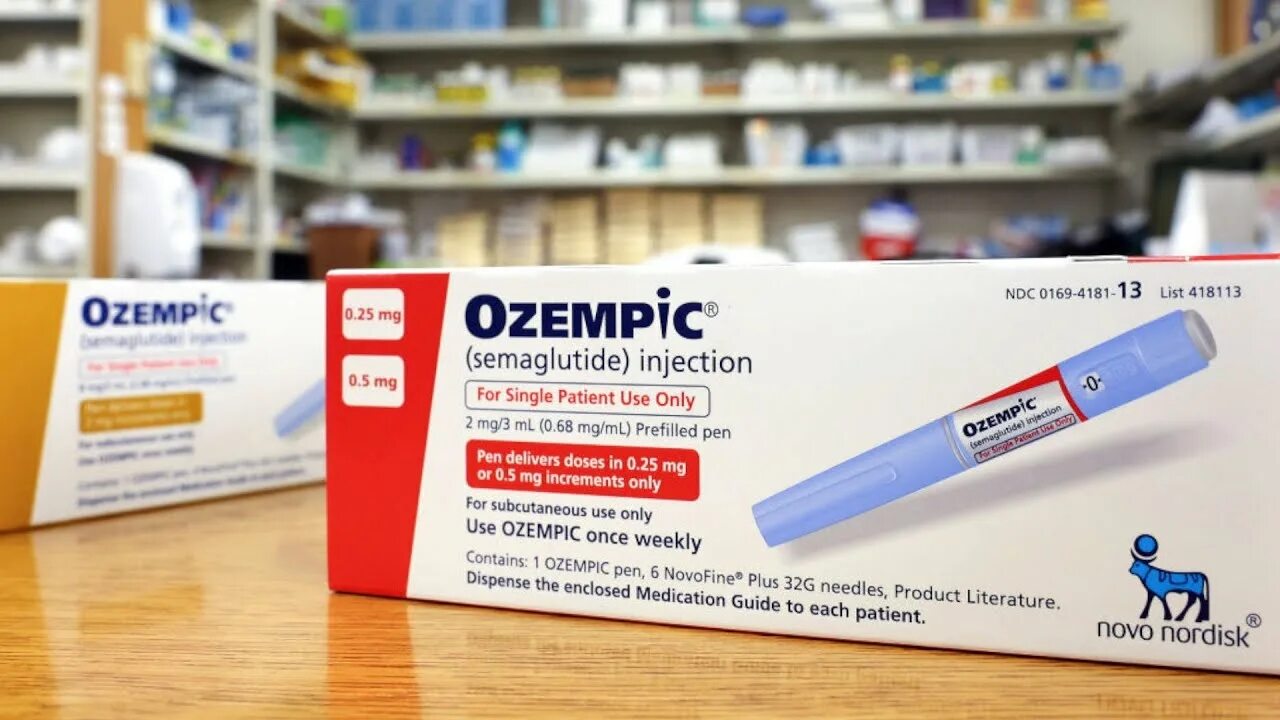
Regarding the price, the price of ozempic varies (but depends on the manufacturer) - 50-200 dollars (also depends on the dosage and quantity). But on average - about 120-150 dollars for ozempic solution for subcutaneous administration 1.34 mg / ml 1 mg / dose 3 ml syringe pen 1 pc. (+ disposable needles several pcs. - depending on the manufacturer).

In conclusion
The drug is a very good solution for those who have a problem with obesity and excess weight. Thank you very much for reading our article, in the second part we will analyze the course itself, the technique of administration and other similar details.
Good anabolism to all!
————————————————————
- Isaacs D, Prasad-Reddy L, Srivastava SB. Role of glucagon-like peptide 1 receptor agonists in management of obesity. AM J Health-Syst Pharm. 2016;73(19):1493-1507. https://doi.org/10.2146/ajhp150990
- World Health Organization. Obesity and overweight. 2020 [cited 21.05.2023]. Available from: https://www.who.int/news-room/fact-sheets/detail/obesity-and-overweight
- U. S. Food and Drug Administration. FDA approves new drug treatment for chronic weight management, first since 2014. Washington, DC: Center for Drug Evaluation and Research; 2021.
- Pratley Richard, Amod Aslam, Hoff Søren Tetens, Kadowaki Takashi, Lingvay Ildiko, Nauck Michael, Pedersen Karen Boje, Saugstrup Trine, Meier Juris J. Oral semaglutide versus subcutaneous liraglutide and placebo in type 2 diabetes (PIONEER 4): a randomised, double-blind, phase 3a trial. The Lancet. 2019 Jun;394(10192):39–50. doi: 10.1016/s0140-6736(19)31271-1. [DOI] [PubMed] [Google Scholar][Ref list]
- Rosenstock Julio, Allison Dale, Birkenfeld Andreas L., Blicher Thalia Marie, Deenadayalan Srikanth, Jacobsen Jacob Bonde, Serusclat Pierre, Violante Rafael, Watada Hirotaka, Davies Melanie. Effect of Additional Oral Semaglutide vs Sitagliptin on Glycated Hemoglobin in Adults With Type 2 Diabetes Uncontrolled With Metformin Alone or With Sulfonylurea. JAMA. 2019 Mar;321(15):1466. doi: 10.1001/jama.2019.2942. [DOI] [PMC free article] [PubMed] [Google Scholar][Ref list]

Author: Alex Morozov
Alex Morozov is a strength training analyst and fitness culture researcher with over 12 years of experience in powerlifting, bodybuilding methodology, and performance optimization. He has worked with competitive athletes, studied training physiology, and analyzed long-term health outcomes related to strength sports.
Alex focuses on evidence-based training, athlete longevity, and realistic performance expectations. His work explores the psychological and cultural factors shaping modern fitness trends, including social media influence, enhancement debates, and recovery science.